
How does effective cleaning work in everyday life?
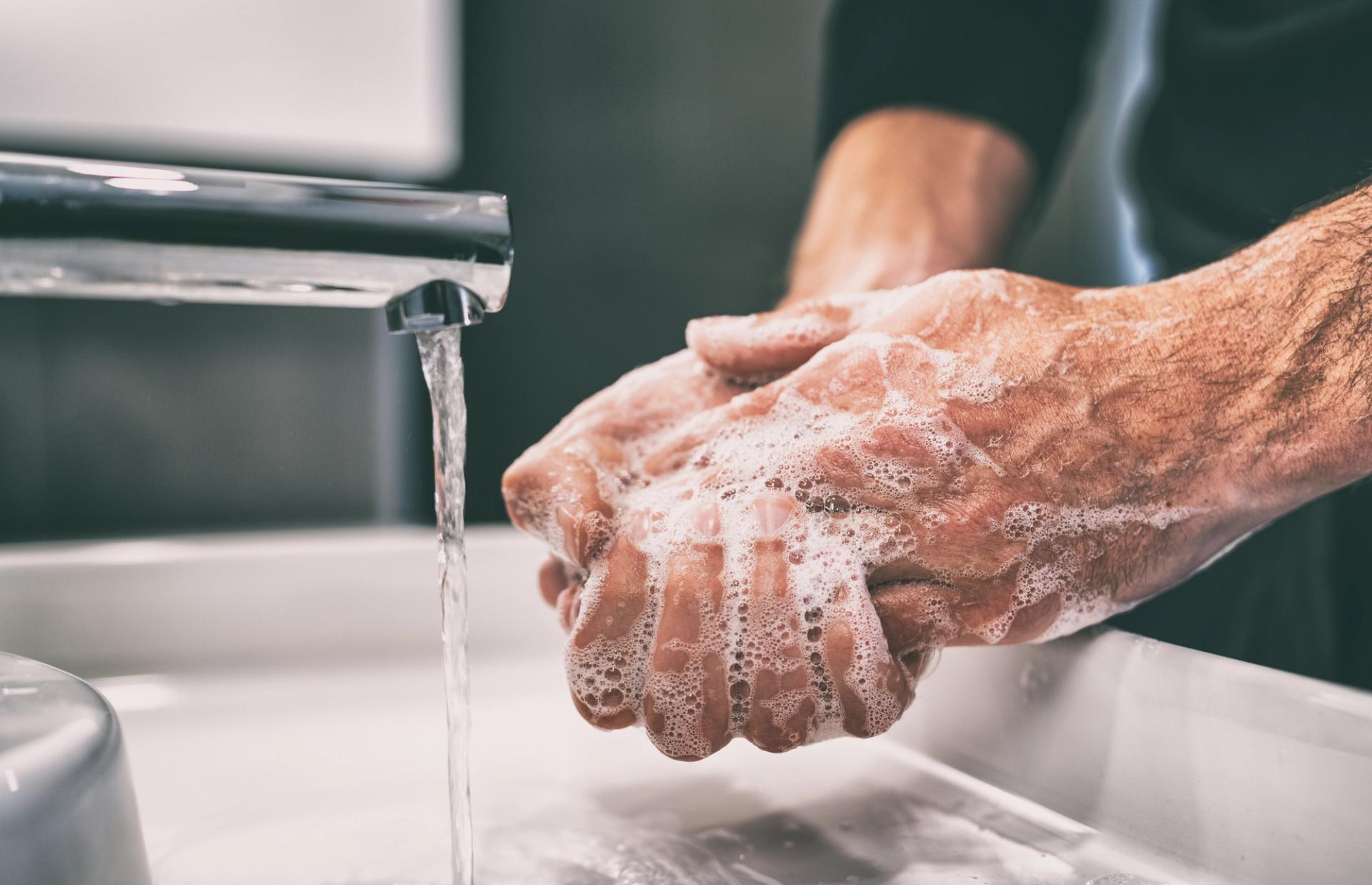
Due to pandemics and acute flu outbreaks, the issues of hygiene and cleanliness are more important to us now than ever before.
Most people are particularly sensitive to this topic right now. Yet, a large part of the population still does not know how to effectively cleanse their surroundings of dirt, bacteria, and invisible pathogens. What you should pay particular attention to when cleaning and which potential points of contact you may have with 'contaminated' objects in everyday life, can be found out here.
Practical cleaning tips for everyday life
- Always wash your hands regularly with warm water and soap.
- The cleaning materials should be effective and suitable for the surfaces. Always use separate cleaning cloths for the kitchen and bathroom to prevent germs from spreading even more.
- Wash bed linen, underwear, hand and cleaning cloths at a minimum of 60 degrees if possible, to kill bacteria. A hot rinse cycle also promotes greater hygiene in your washing machine.
- Brushes and combs should be cleaned regularly with hair shampoo.
- Especially important: The technique, meaning the type of mechanical cleaning, plays a much more significant role than the cleaning agent or its quantity. Here the rule of thumb is 'Less cleaning agent is more; the right technique is crucial!'
Typical touchpoints in everyday life
1. Start into the day
Smartphone
You use your smartphone daily and you might have it in your hands countless times a day. Your phone is a gathering place for bacteria and germs, which are spread all over the device by swiping and tapping. Regular cleaning is therefore important.
Tip: Experts recommend using antibacterial sprays without alcohol or other harsh ingredients for cleaning. You can find them online or at drugstores. However, never spray directly onto the display, as liquid could get inside the phone. Additionally, the phone can be cleaned with microfiber cloths. Don't forget to clean your smartphone case as well.
Coffee machine
Inside your coffee maker, bacteria often form. A regular cleaning cycle and a soaking time of about 20 minutes with vinegar essence and two cups of water in the machine's water tank are particularly important for hygienic cleanliness. This cleaning can also be applied to kettles.
2. At the workplace
On the way to the office or to work
Many people feel safer in their cars during flu seasons and pandemics than in public transportation, using it only in emergencies. However, cleaning the interior of the car is essential, as bacteria can enter the vehicle through the air and from people themselves. Accordingly, cleaning the inside of the car becomes even more important as soon as the vehicle is no longer used by just one person.
Car ("Great on the outside - not so great on the inside")
It's important not only to consider all the parts one might touch during or after driving when cleaning the car. It's equally crucial to ensure that the air entering the car's interior through the air conditioning is as clean as possible.
To rid the air conditioning of any invisible germs, bacteria, and fungi, only a cleaning of the pollen filter box and the air conditioner evaporator will help. The airco well® air conditioning cleaning has been tested and awarded for quality as allergy-friendly by the ECARF (European Centre for Allergy Research Foundation). The VDI (Association of German Engineers) also recommends regular cleaning with this method.
Find out where you can have your air conditioning cleaned at a certified workshop with airco well® products, here!
Don't forget to occasionally clean the fuel cap when refueling and to wear gloves if possible, as this can prevent germs and bacteria from entering the car again.
Workplace
Not only is it significantly easier and more productive to work when the workspace is clean, but it also ensures a healthy and hygienic atmosphere. So why not clean your own desk from dust or dirt yourself? The more frequently cleaning is done, the lower the risk of invisible bacteria forming.
Canteen
Please leave your spot in the cafeteria as clean and tidy as possible to prevent the accumulation of bacteria.
3. In leisure time – in the afternoons and evenings
Sport
Sportswear should be washed regularly after use, as bacteria form much more quickly in damp clothing. Additionally, one should make sure to clean the equipment properly before and after training at the gym.
At Home: "Bacteria – the unwanted housemates"
Bacteria feel particularly comfortable in the living room, bathroom, bedroom, and kitchen. Dishes on which raw meat has been stored or cut should not be left out, but rather rinsed immediately after use with hot water.
Some things that should also be cleaned regularly:
Remote controls, telephone receivers, light switches, window frames, bedding, clothing, range hoods, sinks, refrigerators, and shower curtains. These are places where dirt, bacteria, and germs can easily accumulate, which in the worst case can also cause allergies.
In addition to cleaning one's personal surroundings, physical hygiene is a crucial factor for effective protection against dirt, bacteria, and invisible pathogens.
Everything is cleaned! Including the air conditioning?
Have you already cleaned everything at home and in the office and are now taking on your vehicle for a cleaning? Don't forget about your air conditioning and find a certified service center.